Comparing Contract Security Services to In-House Security
Contract security services are professional security solutions provided by a third-party company under a formal service agreement, rather than hiring guards directly as employees. Businesses pay a licensed security firm to supply trained officers, patrol vehicles, and documented coverage, typically with flexible terms, no employer overhead, and built-in compliance. It's the most cost-effective way to get verified, insured, on-site security without managing staff yourself.

How Contract Security Services Work
A security firm accepts legal responsibility for officer conduct, licensing, and on-site compliance, so the client organization carries no employer liability for the deployed guard.
The operational structure involves three parties: the client (a property manager or facility operator), the security contractor, and the deployed officer. When an incident occurs, liability for guard conduct sits with the contracting firm, not the client. That separation is one of the primary reasons commercial real estate operators and healthcare facilities choose contract security services over direct hiring. According to New England Security, this liability structure is a defining advantage of professional contract arrangements over proprietary staffing models.
"The single greatest operational advantage of contract security is the transfer of employer liability. Clients get professional coverage without taking on the legal and administrative burden of a security workforce." — James Holloway, Director of Operations, Regional Security Consultants Association
What happens after you sign a contract security agreement?
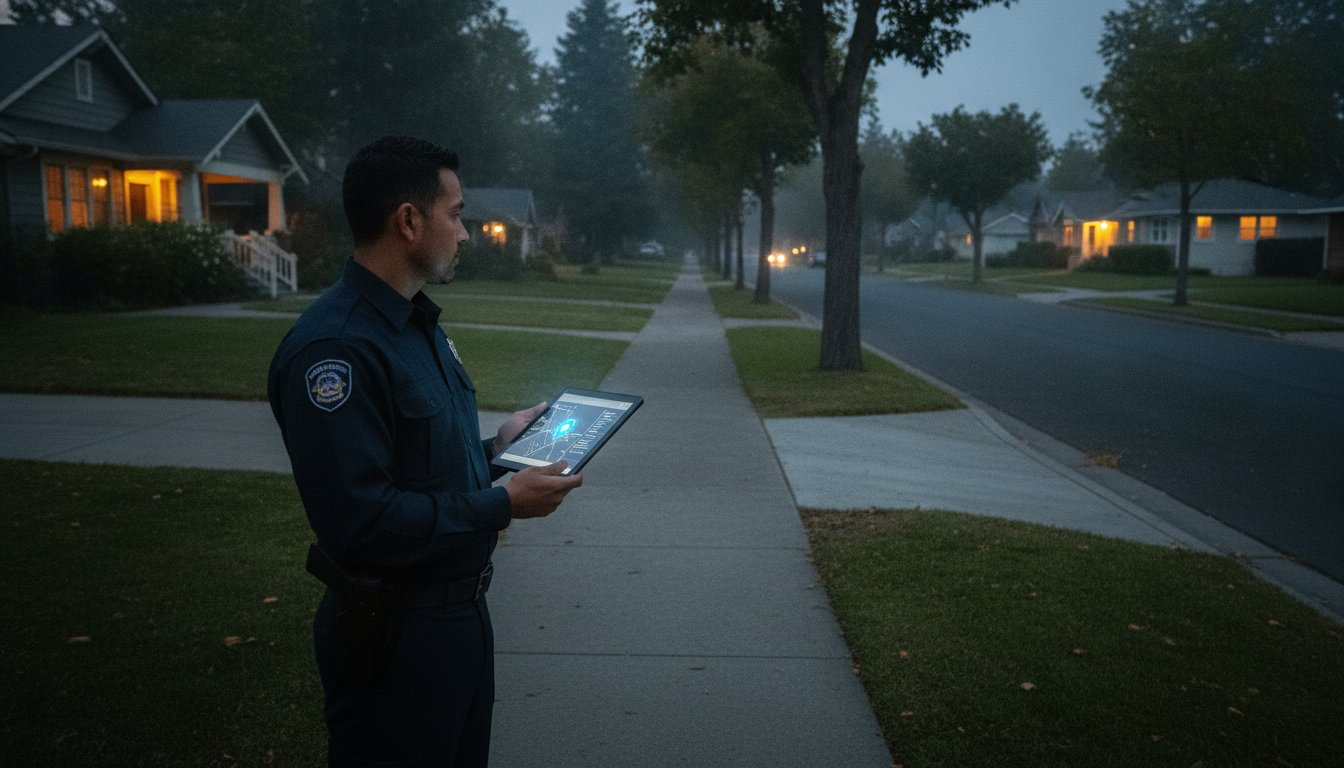
The firm issues post orders, written instructions specifying patrol routes, checkpoint locations, escalation protocols, and reporting requirements. Guards follow those orders on every shift. Operationally, this means GPS-verified patrol tours with timestamped checkpoints, photo documentation of property conditions, and incident reports filed through a live dispatch system.
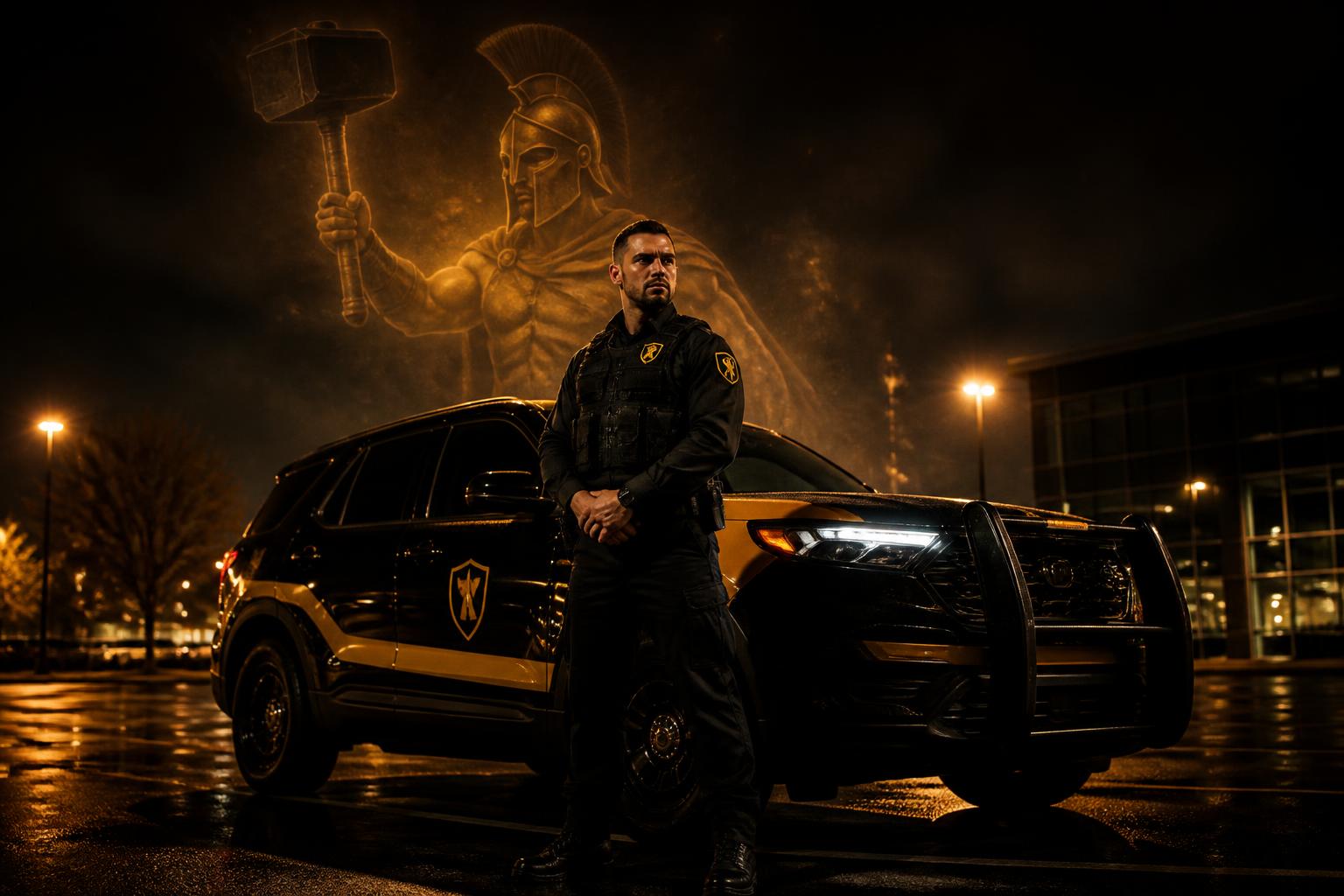
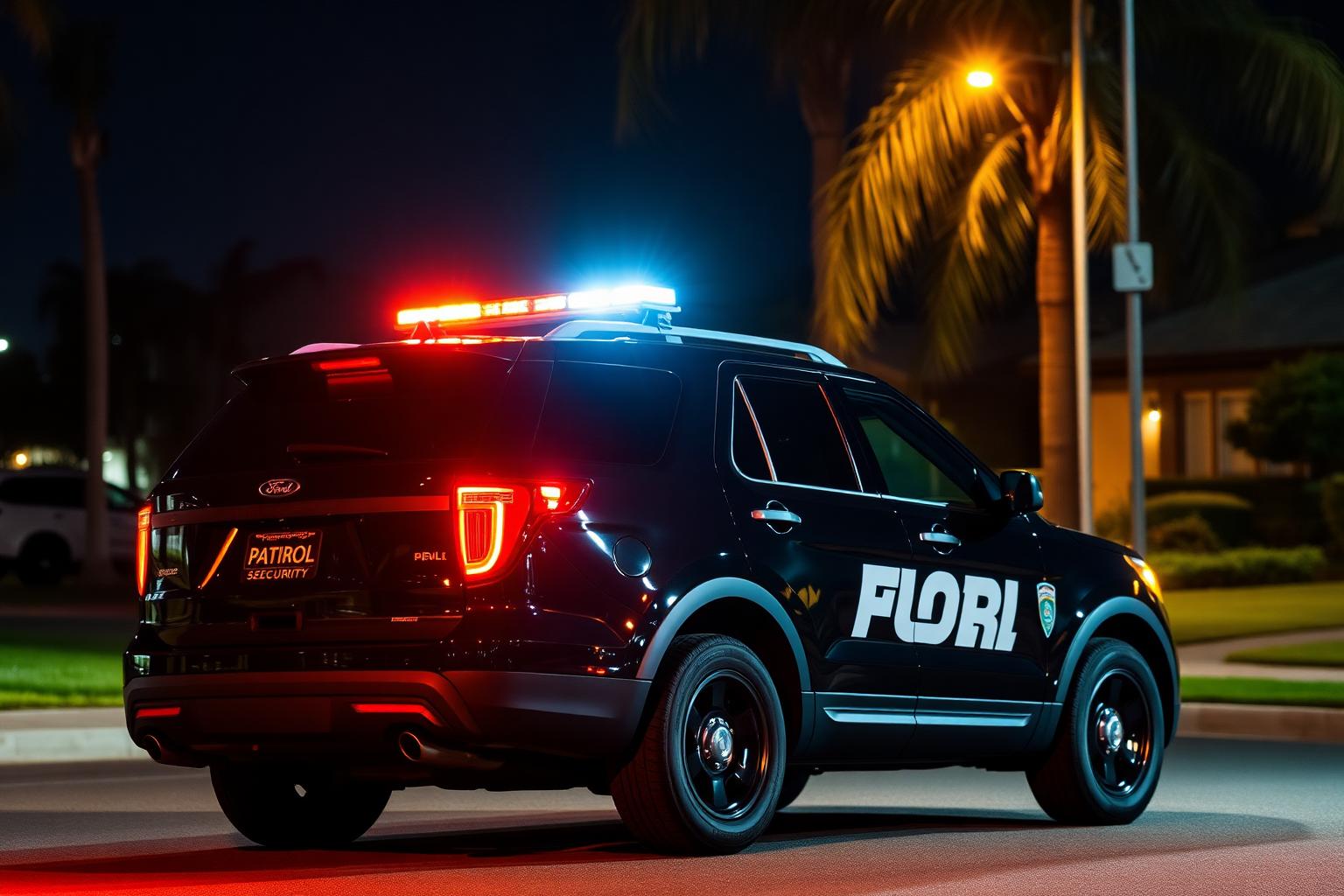
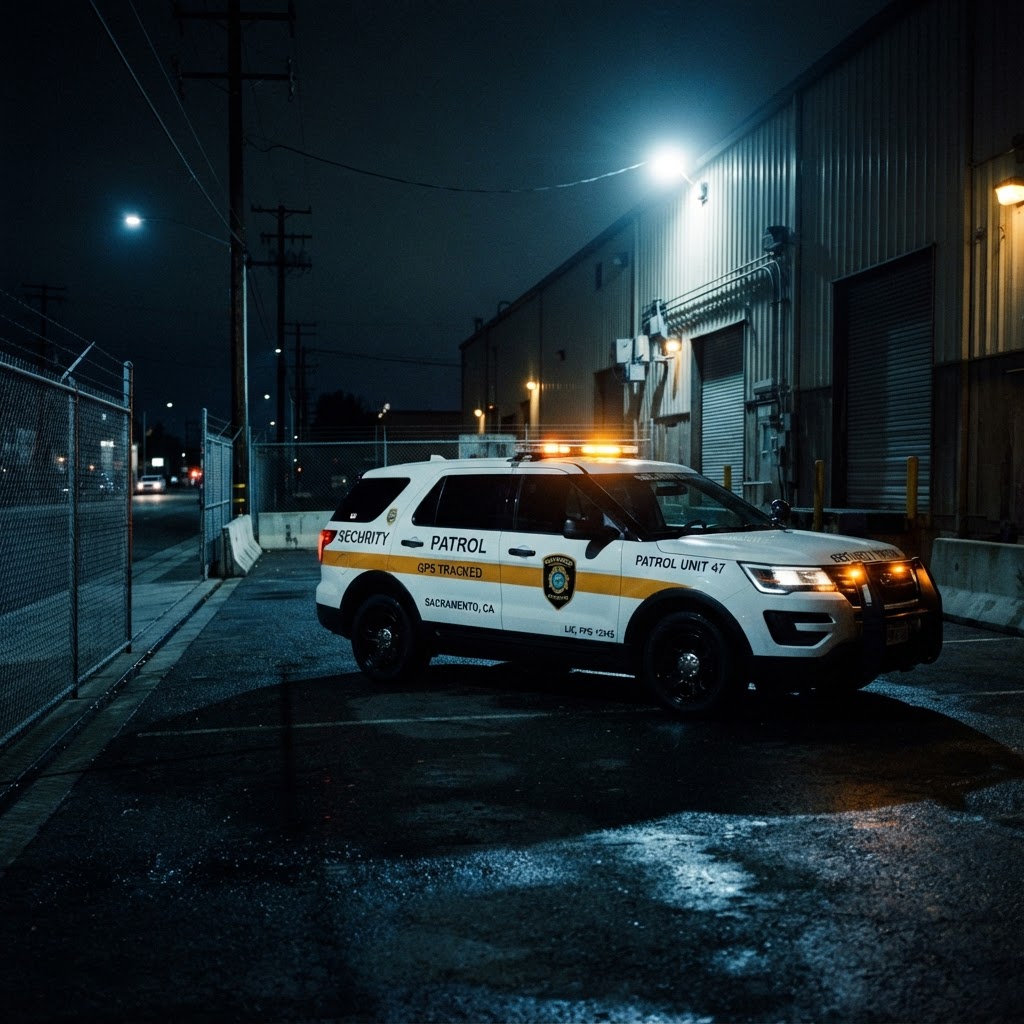
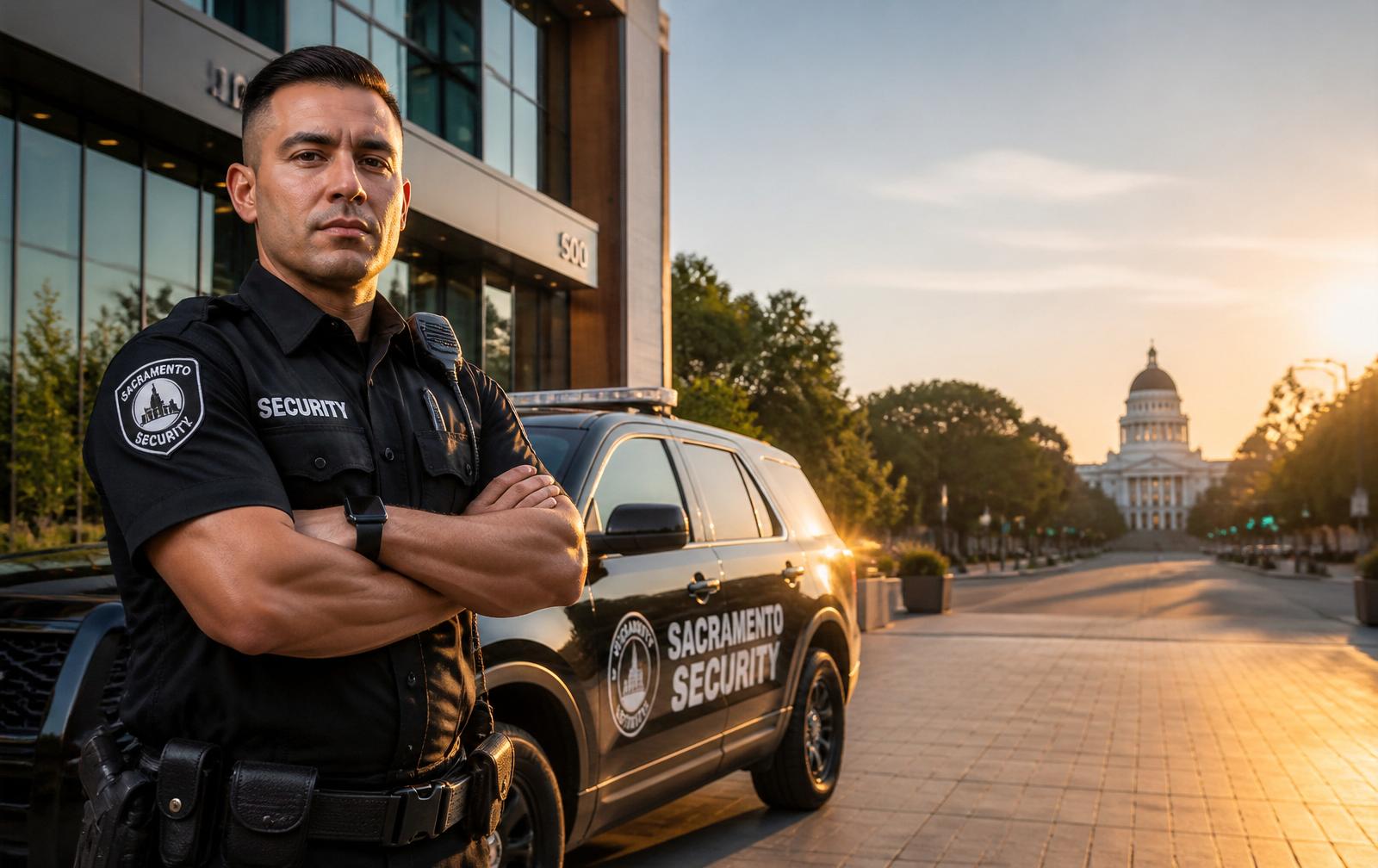
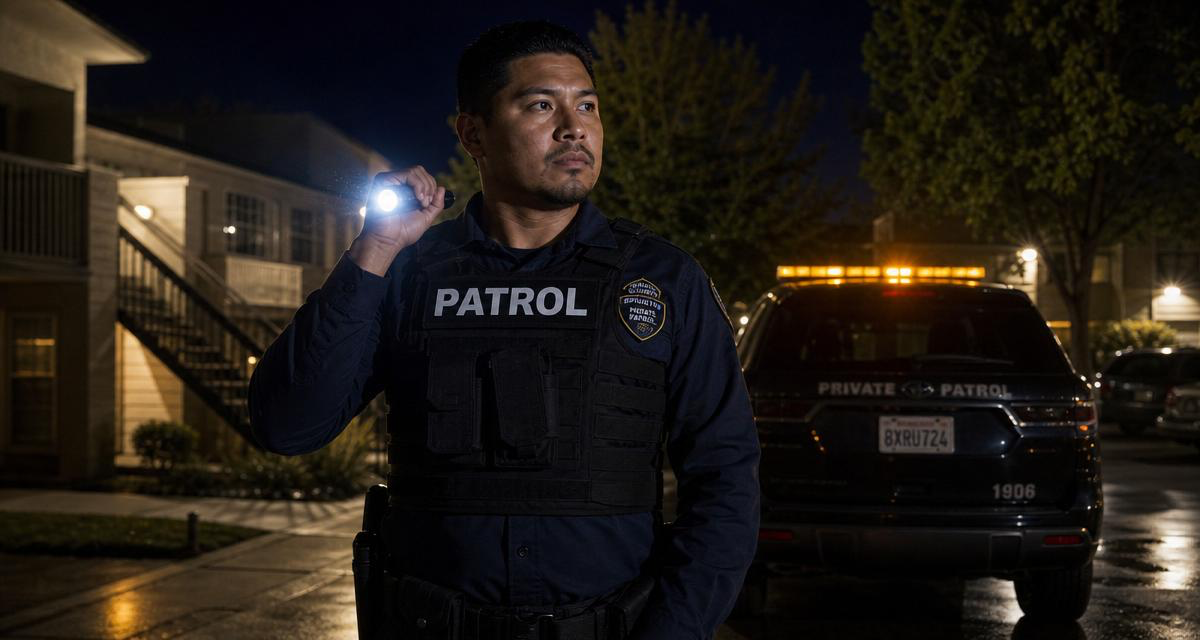
Stormhammer Security, for example, deploys BSIS-licensed officers in marked SUVs with GPS tracking on every tour. Same-day dispatch is available, which matters when a property manager needs coverage after a break-in or trespass, not three weeks from now after an in-house hire clears onboarding.
What certifications and licenses do contract security officers need?
In California, every deployed guard must hold a valid guard card issued by the Bureau of Security and Investigative Services (BSIS), and the operating firm must carry a Private Patrol Operator (PPO) license. Stormhammer Security holds CA PPO #121830. These credentials confirm that guards have completed required training hours, passed background checks, and that the firm carries the insurance minimums the state mandates.
What are the compliance requirements for contract security by state?
Licensing boards and insurance minimums differ significantly by state. California's BSIS sets guard card and PPO requirements; Florida uses the Department of Agriculture and Consumer Services; Texas licenses through the Department of Public Safety; Arizona operates under the Department of Public Safety's Security Guard Unit. A firm licensed in one state cannot legally deploy officers in another without separate credentialing, so verify your provider's license against the state where your property sits. For Florida-specific requirements, government contract security guard services in Florida outline the applicable licensing standards in detail.
Types of Contract Security Services Available
Contract security services fall into four core categories: static uniformed guards, mobile vehicle patrol, alarm response with live dispatch, and temporary or construction site security.
What Are the 4 Main Types of Security Services?
Static/uniformed guards are posted at a fixed location, a building entrance, lobby, or gate, and provide a visible, consistent presence during assigned hours. These are the most familiar form of contracted security and suit facilities with high foot traffic or access control requirements.
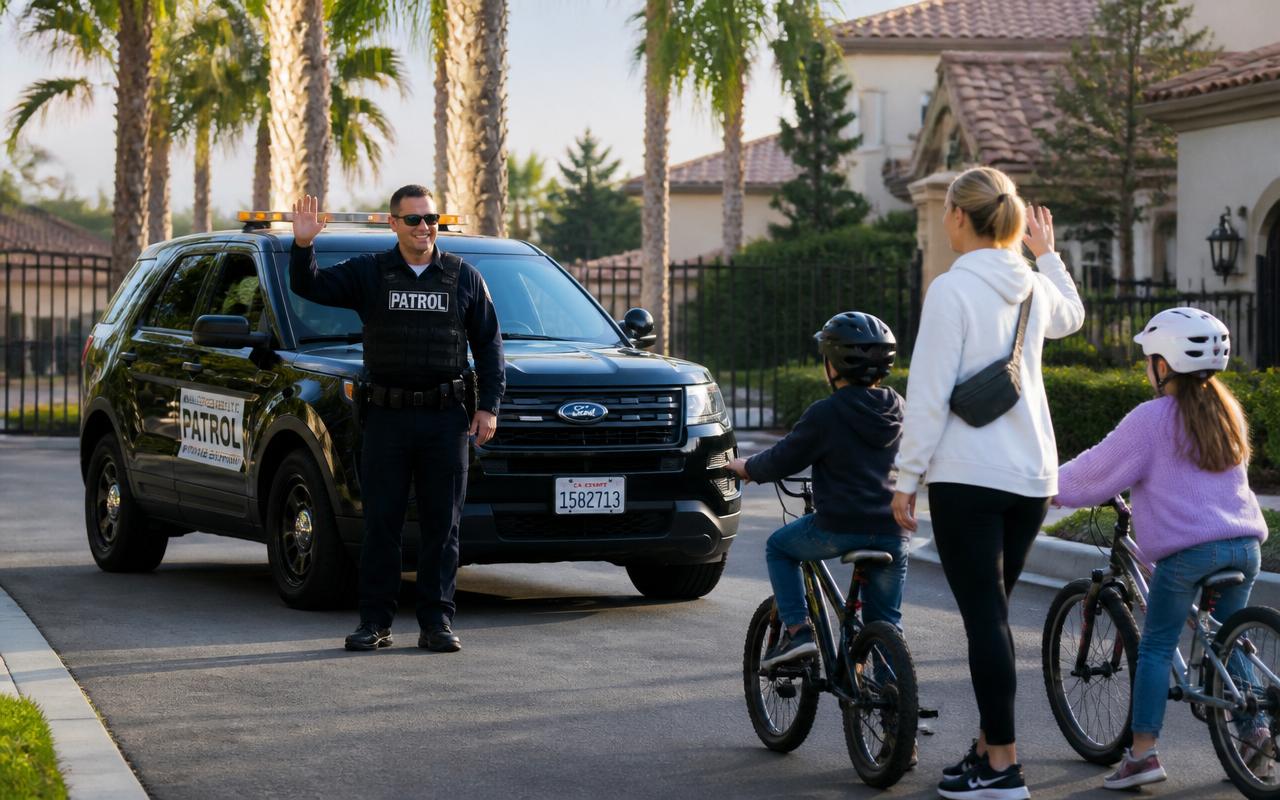
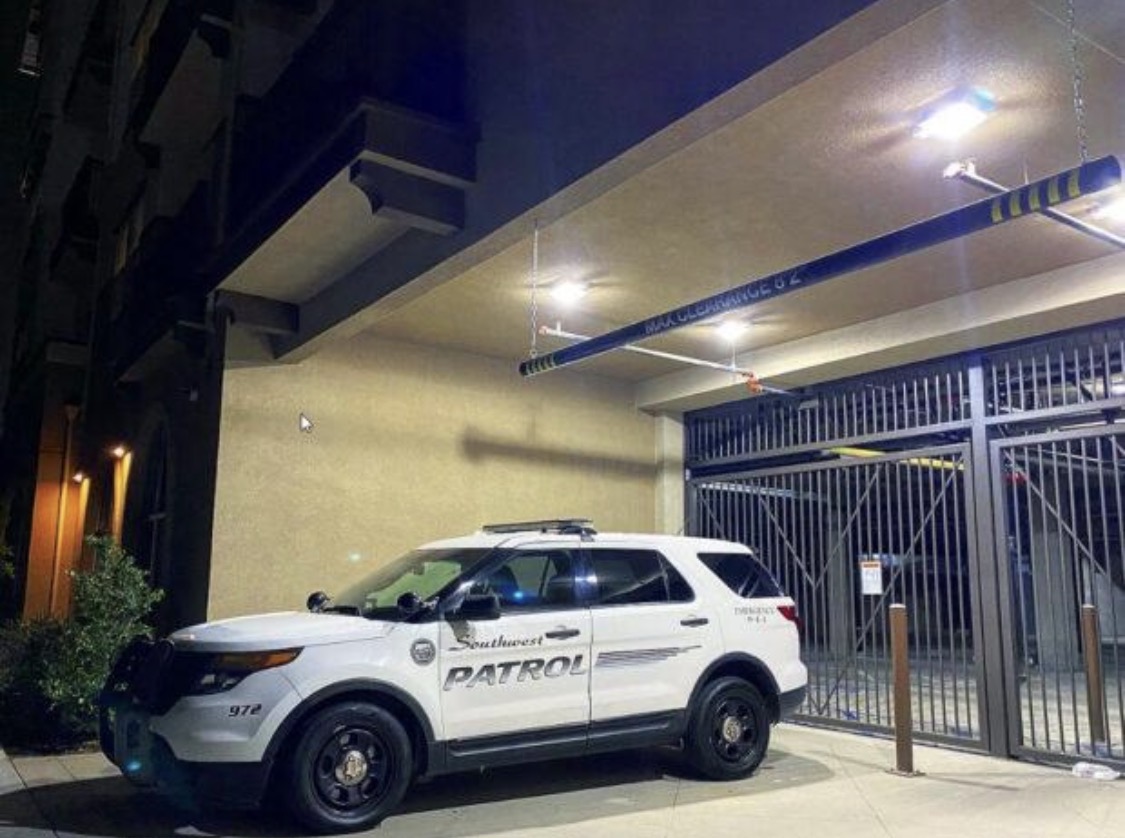
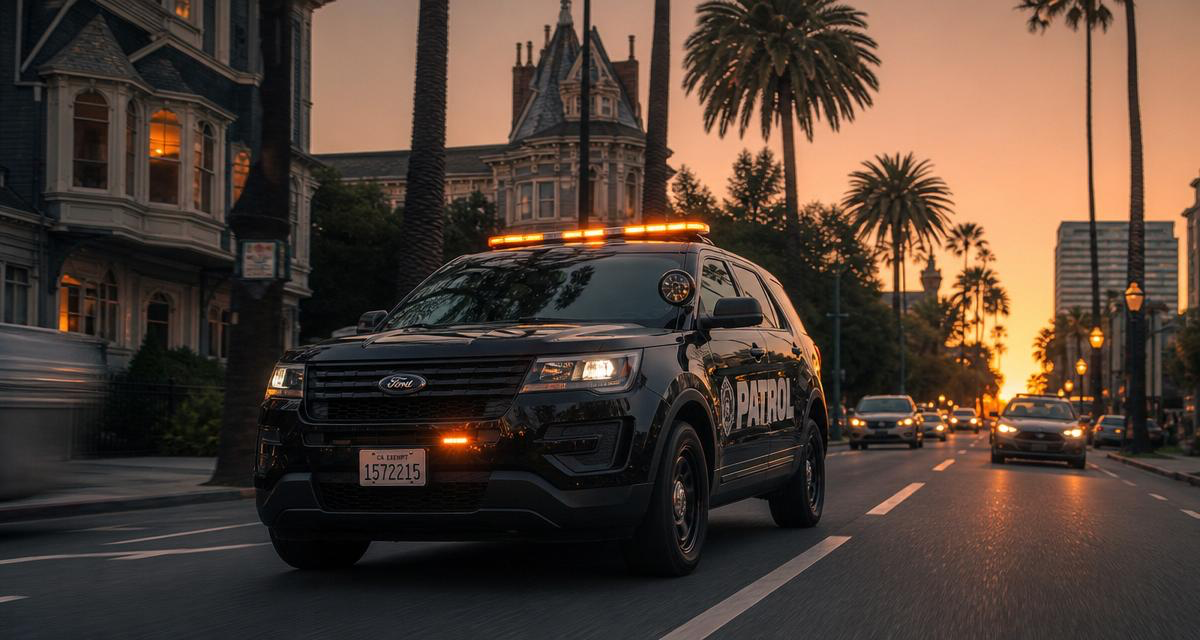
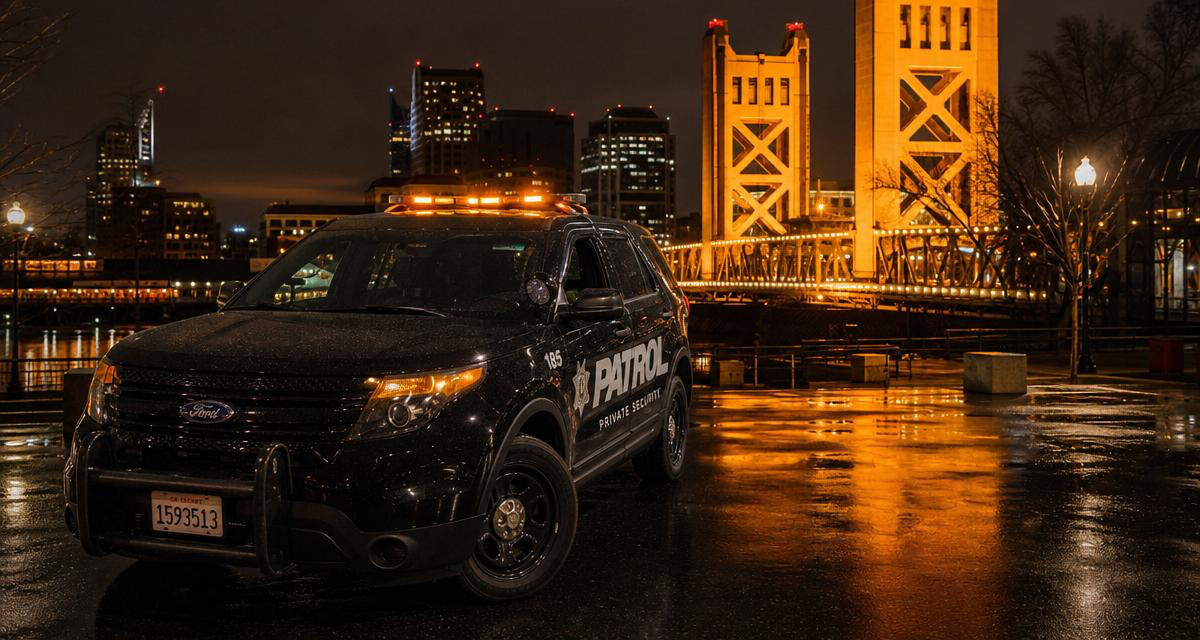
Mobile vehicle patrol uses marked SUVs to cover multiple properties in a single shift. Guards conduct GPS-documented checkpoint tours, generating timestamped proof of presence that property managers and insurers can review. Stormhammer Security, for example, deploys BSIS-licensed guards in marked SUVs with photo documentation at each checkpoint, starting at $15/night, making it a cost-effective option for apartment complexes, retail sites, and commercial real estate portfolios.
Alarm response and live dispatch pairs a 24/7 local dispatcher with patrol units already in the field. One dispatcher coordinates multiple units across a territory, cutting per-site cost while keeping response times short. This is a force-multiplier: rather than stationing a guard at every property overnight, a single dispatcher routes the nearest unit to any triggered alarm or reported incident.
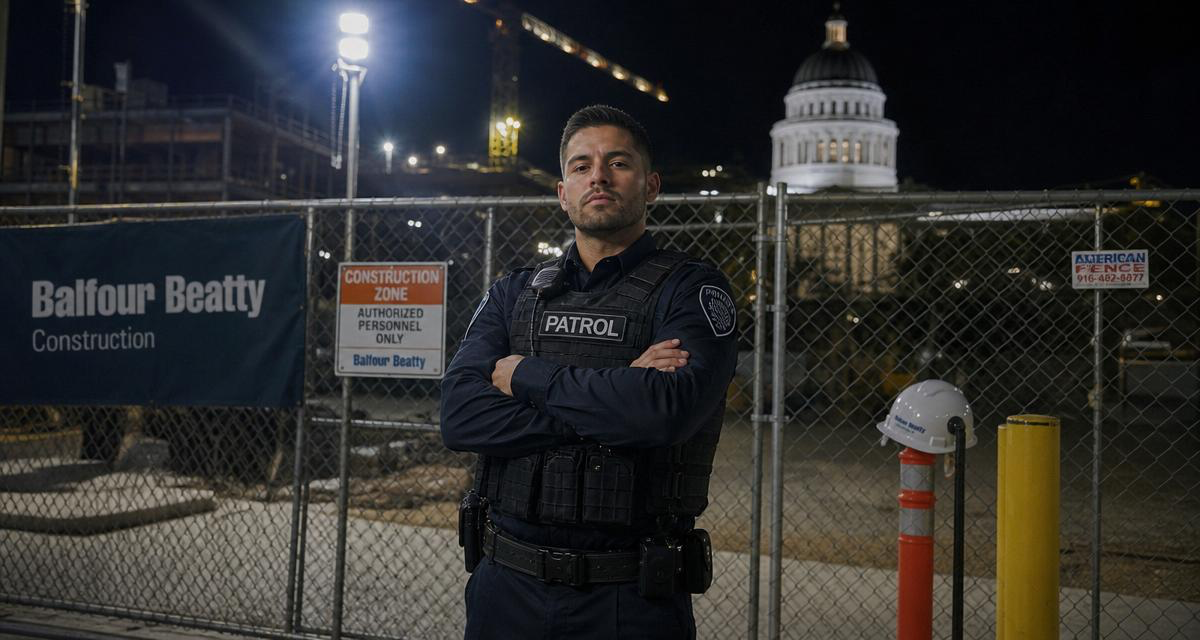
Construction and temporary site security covers short-term deployments where a fixed contract makes no sense, active build sites, pop-up events, or vacant properties between tenants.
Night security patrol and 24-hour tours are distinct pricing tiers within mobile patrol. Night-only coverage costs less because it targets the highest-risk window; 24-hour tours add daytime sweeps for sites that need continuous documentation.
Key benefits of each service type at a glance
- Static guards: Consistent visible deterrence, ideal for high-traffic lobbies and access control points
- Mobile patrol: Cost-efficient multi-property coverage with GPS-documented proof of presence
- Alarm response and dispatch: Rapid real-time response without the cost of full-time on-site staffing
- Temporary and construction site security: Flexible short-term deployments with no long-term commitment required
Can Regular People Hire Bodyguards and Contract Security?
Private individuals can hire contract security directly, bodyguards, residential patrol, and HOA coverage are all available without a commercial account. HOA boards frequently contract mobile patrol to cover common areas and parking lots overnight, and individual homeowners in higher-crime neighborhoods can request residential patrol on the same pay-per-visit model used by commercial clients.

How Much Contract Security Services Cost
Contract security services typically run $18–$35 per hour for static guards, while mobile patrol starts as low as $15–$25 per night on shared routes.
What's the Pricing Breakdown for Contract Security Across Different Regions?
California rates sit at the high end nationally. BSIS licensing requirements, California's minimum wage laws, and mandatory training hours all push labor costs up, a static unarmed guard in Sacramento or Los Angeles commonly bills at $25–$35/hr. Florida and Texas markets are more competitive, with unarmed rates often landing in the $18–$25/hr range. Arizona and Minnesota fall in the mid-range, typically $20–$28/hr depending on site complexity.
The gap between a flat-rate patrol and dedicated hourly billing matters most for small property owners. A shared mobile patrol, where one guard covers multiple properties on a single route, can cost as little as $15/night, as Stormhammer Security's Sacramento patrol service demonstrates. A dedicated guard assigned exclusively to your site bills hourly and adds up fast: 8 hours at $28/hr equals $224 per night before any overhead markup.
How Much Does Private Security Cost Per Hour in Different States?
Armed guards command a 30–50% premium over unarmed rates in every market. A $25/hr unarmed post in California becomes $35–$37/hr armed. That premium reflects firearm qualification, additional licensing, and higher liability insurance for the provider.
Four factors drive most of the cost variation in any quote you receive:
- Armed vs. unarmed: 30–50% cost difference
- Dedicated vs. shared patrol: shared routes reduce per-site cost significantly
- Coverage hours: 24/7 posts cost roughly 3× night-only patrol
- Documentation included: GPS-verified reports and photo evidence add value, confirm whether they're bundled or billed separately
Providers that require no long-term contracts reduce your financial risk when testing a new vendor. You can run a 30-day trial without committing to a 12–36 month agreement, a meaningful advantage when your security needs shift seasonally or after an incident.
"Clients who request a 30-day pilot before committing to a full contract consistently make better long-term vendor decisions. It's the single most effective due-diligence step a property manager can take." — Sandra Reyes, Senior Security Consultant, Commercial Property Security Institute
What to Look for in a Contract Security Agreement
A sound contract security services agreement covers five non-negotiable elements: scope of services, response time SLAs, documentation requirements, termination clauses, and liability allocation.
What contract terms and SLAs should be included in security service agreements?
Before signing, confirm that the scope of services defines exactly which areas get patrolled, at what frequency, and during which hours. Vague post orders, instructions that say "patrol the property" without specifying checkpoints, routes, or escalation procedures, are a red flag that signals an unprofessional contractor.
Response time SLAs must be written, not verbal. If a provider can't commit to a specific dispatch window in writing, that commitment doesn't exist when you need it at 2 a.m.
Documentation requirements deserve equal weight. GPS-verified tour logs with timestamped checkpoints create a defensible record for insurance claims and incident investigations. A timestamped, photo-documented checkpoint report is the difference between a claim your insurer accepts and one they deny for lack of proof. Stormhammer Security generates GPS-verified patrol logs and photo documentation on every tour, the kind of evidence that closes insurance claims faster.
Reputable firms provide post orders in writing before the first deployment. That document is the operational blueprint for every guard on your property, and its absence before day one is a sign to walk away.
Watch for contracts that lock you in for 12 or more months with no performance exit clause. If a provider misses SLAs repeatedly, you should be able to exit, not wait out a multi-year agreement.
What insurance and liability requirements apply to contract security services?
Demand certificates of insurance before any guard sets foot on your property. At minimum, require general liability coverage of $1 million or more per occurrence, active workers' compensation, and auto liability covering every patrol vehicle.
Liability allocation clauses determine who bears the cost when something goes wrong on patrol. A contract that shifts all liability to the client, regardless of guard conduct, is a non-starter.
Also verify state licensing before signing. In California, every guard and patrol company must hold a BSIS license issued by the Bureau of Security and Investigative Services. A provider that can't produce a license number (Stormhammer's is CA PPO #121830) has no business on your property. No written SLAs, no proof of licensing, and no performance exit clause, any one of these should stop the conversation.
Contract Security vs. In-House Security and Alternative Solutions
Contract security services cost less to operate than in-house guards and produce measurable, documented outcomes that cameras and sensors alone cannot deliver.
What's the ROI and measurable outcomes of contract security vs. in-house security?
Employers who hire proprietary guards add 25–40% on top of base wages to cover benefits, workers' compensation, training, turnover, and management overhead. A contract security firm absorbs every one of those costs, so your budget goes directly toward patrol hours rather than HR administration.
The ROI case extends beyond payroll. Documented patrol presence deters theft and vandalism before incidents occur. When incidents do happen, GPS-timestamped checkpoints and photo documentation give your insurance adjuster defensible proof of presence, the kind of evidence that closes claims faster and, over time, supports lower premiums. Stormhammer Security's GPS-verified patrol tours generate exactly this record: every checkpoint is timestamped, photographed, and logged through a live local dispatcher.
"Documented patrol presence is one of the most underutilized risk-management tools available to commercial property owners. GPS-verified logs have directly supported faster insurance claim resolutions in dozens of cases we've reviewed." — Michael Tran, Risk Management Advisor, National Property Owners Association
Construction sites make the cost gap even sharper. In-house security is impractical for a temporary site, you'd hire, train, and terminate staff within months. Contract security with flexible terms and same-day dispatch is the standard solution for sites that need coverage now and nothing six months from now.
How do hybrid and technology-based security solutions compare to contract security?
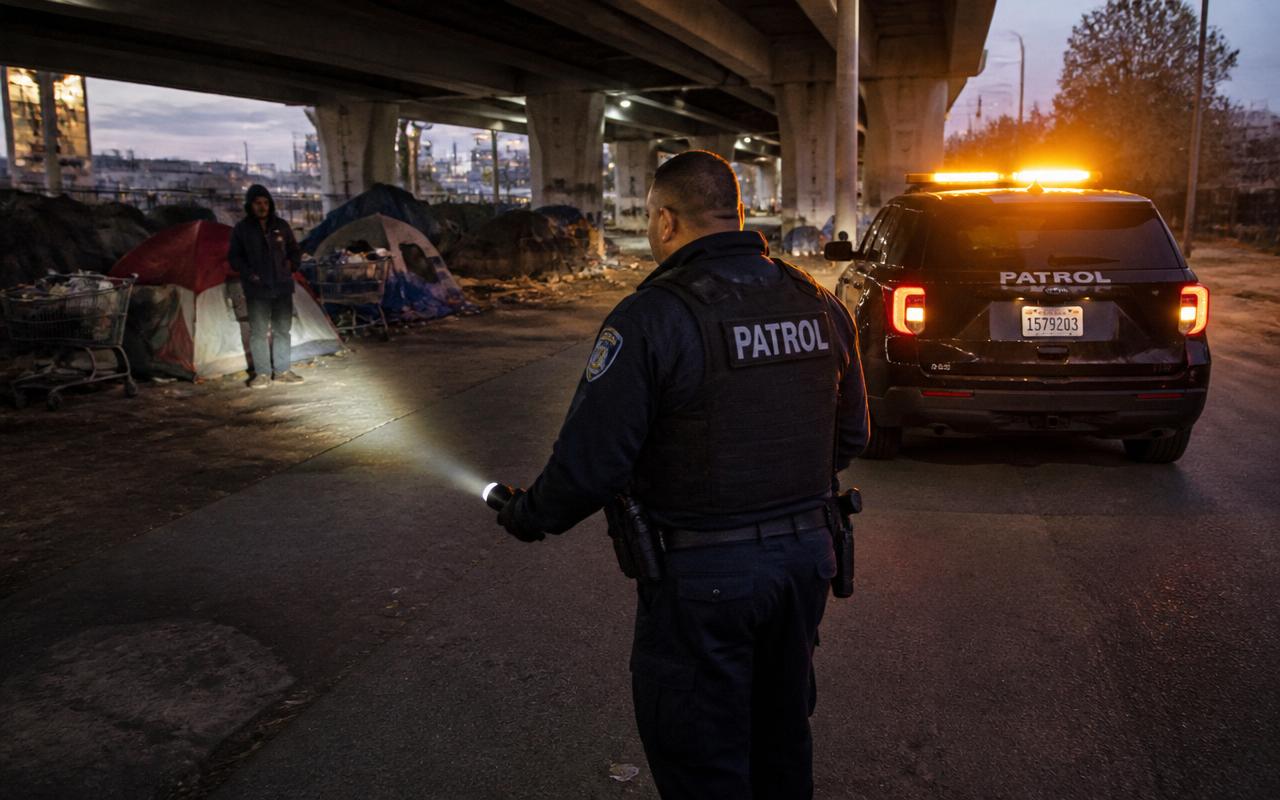
Cameras, sensors, and remote monitoring record what happens, they don't stop it. A marked patrol SUV deters by presence and responds in real time; a camera does neither.
Hybrid models pair remote video monitoring with on-call mobile patrol response. This approach costs less than full-time stationary guards while delivering faster response than cameras alone. For property managers balancing budget and coverage, a hybrid model, remote monitoring as the baseline, contract patrol dispatched when activity is flagged, often hits the right balance between cost and deterrence.

Frequently Asked Questions
How quickly can contract security services be deployed after signing?
Most contract security providers can deploy guards within 24–72 hours of signing, depending on post requirements and staffing availability. Owner-operated services with live local dispatch, like Stormhammer Security, Inc., can fulfill same-day patrol requests in the Sacramento and Roseville areas, making them a practical option when you need coverage after an incident rather than weeks later.
Do contract security companies carry their own insurance, or does the client need separate coverage?
Reputable contract security firms carry their own general liability and workers' compensation insurance, which protects you if a guard is injured on your property or causes damage during a patrol. Still, your property insurance remains your responsibility. Before signing, ask the provider for a certificate of insurance and confirm their coverage limits match your facility's risk profile.
What's the difference between a security guard and a security patrol officer?
A security guard is typically stationed at a fixed post, a lobby, gate, or entrance, while a security patrol officer moves through a defined route on foot or by vehicle. Patrol officers cover more ground per shift and generate documented checkpoint data, making them better suited for large properties, parking lots, and multi-building campuses where static coverage leaves gaps.
Can I hire contract security for a one-time event or short-term project?
Yes, many providers offer short-term or event-based security without requiring a long-term contract. Stormhammer Security, Inc. operates on a pay-per-patrol model with no multi-year commitment, so property managers and event operators in Sacramento can request coverage for a single night, a construction phase, or a seasonal spike without being locked into an annual agreement.
How do I verify that a contract security provider is properly licensed in my state?
Request the provider's state-issued license number before signing any agreement and cross-reference it with the relevant licensing authority. In California, verify guard cards and PPO licenses through the Bureau of Security and Investigative Services (BSIS). In Florida, check with the Department of Agriculture and Consumer Services. A legitimate provider will supply their license number immediately — any hesitation is a warning sign. Confirming licensure protects you from liability if an unlicensed guard is involved in an incident on your property.
Conclusion
Contract security services work best when the terms match your actual exposure, not a sales rep's preferred contract length. Three things matter most: verified proof of patrol presence, licensing credentials you can confirm (look for state-issued numbers like CA PPO #121830), and dispatch speed when something goes wrong at 2 a.m.
If your current coverage can't produce a GPS-timestamped patrol log for an insurance adjuster, that's the gap to close first. Request a sample patrol report from any provider you're evaluating, including Stormhammer Security, Inc. at sacsecuritypatrol.com, before you sign anything.
Recommended Articles
Explore more from our content library: