

A Complete Guide to Security Guard Requirements
Understanding security guard requirements is essential. To become a security guard, you must typically be at least 18 years old, a U.S. citizen or legal resident, pass a criminal background check, and complete state-approved training (usually 8–40 hours depending on the state). Armed guards face additional requirements including firearms training, a separate weapons permit, and more extensive background screening. Licensing fees generally range from $50–$200, and the full process takes two to eight weeks.

Basic Security Guard Requirements: Eligibility, Age, and Background Checks
Most states set the minimum bar at 18 years old, a clean criminal record, and proof of legal right to work, but the full security guard requirements go further than that.
What Age and Citizenship Requirements Apply to Security Guards?
Unarmed guard positions require applicants to be at least 18 in the majority of states. Armed roles raise that floor, Tennessee and California both set the minimum at 21 for guards carrying a firearm [1].
Federal contract positions frequently require U.S. citizenship outright, not just legal residency. California's Bureau of Security and Investigative Services (BSIS) requires proof of legal right to work in the U.S. as a condition of licensure, a step beyond what some other states mandate.
A high school diploma or GED is standard in most states. Some employers set higher internal standards on top of state minimums, Stormhammer Security's military and law enforcement leadership, for example, applies fitness and conduct benchmarks that exceed what California's BSIS license alone requires.
"The foundation of any professional security program starts with rigorous vetting — background checks, training standards, and licensing requirements exist to protect both the public and the officers themselves." — Marc Siegel, Security Industry Analyst, ASIS International
What Background Check Details Will Disqualify You from Security Work?
A felony conviction disqualifies applicants in virtually every state. Many states also screen out certain misdemeanor convictions within the past five to seven years, depending on the offense category [1].
Three additional disqualifiers apply across most jurisdictions: active warrants, a dishonorable military discharge, and any domestic violence conviction. That last point carries federal weight, the Lautenberg Amendment bars anyone with a domestic violence conviction from carrying a firearm, which eliminates armed guard eligibility regardless of state law.
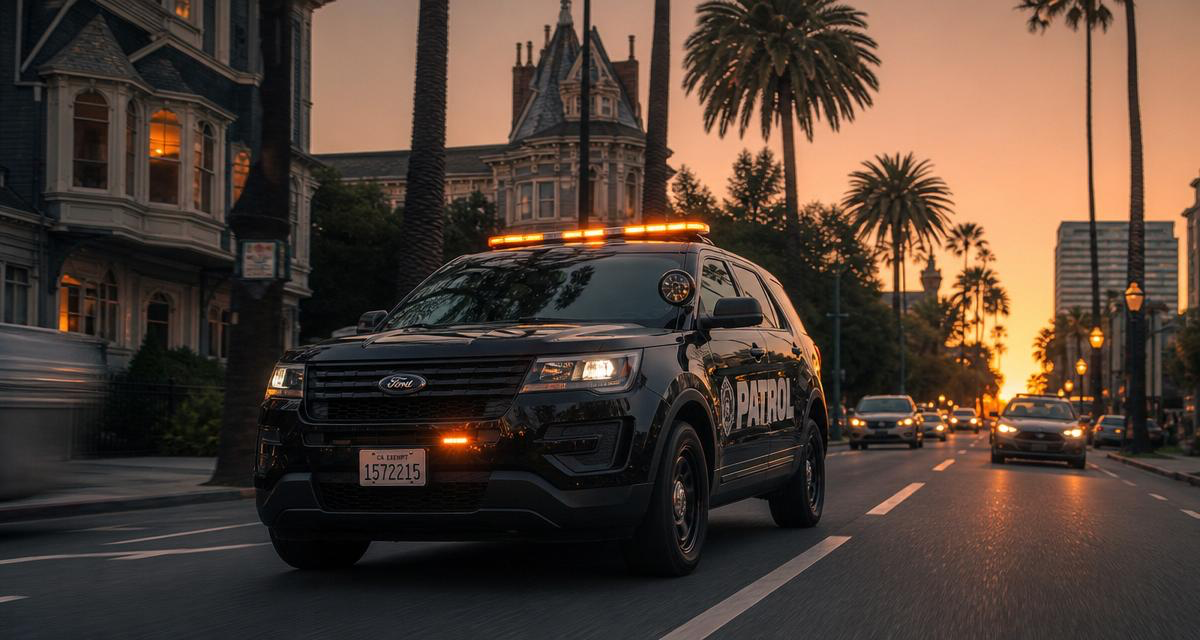
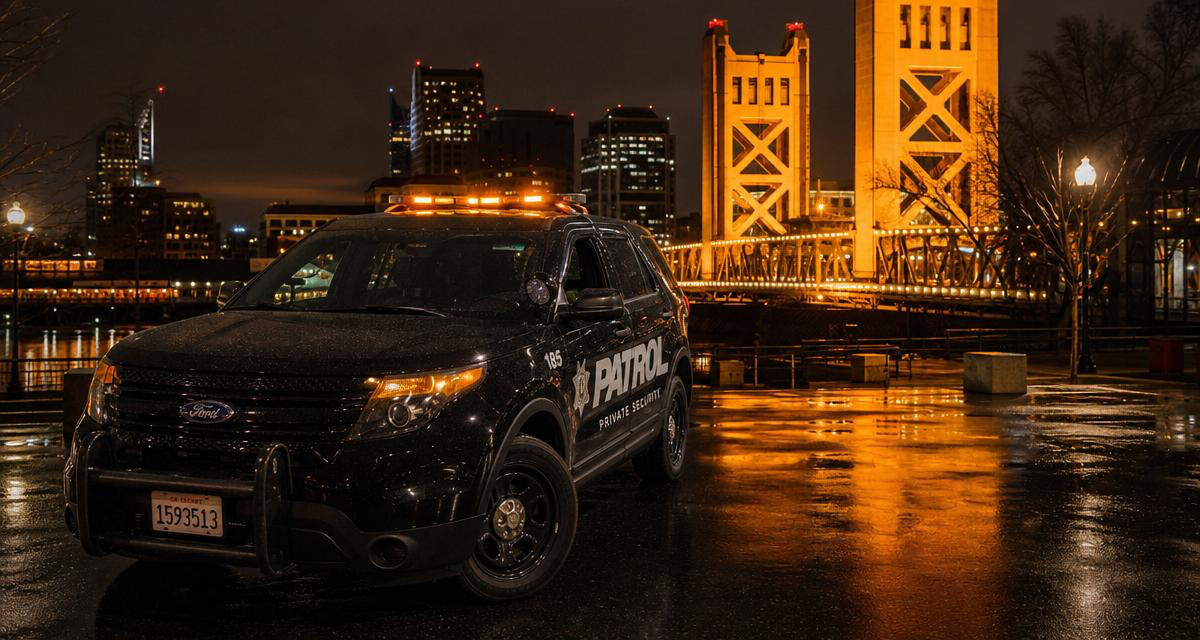
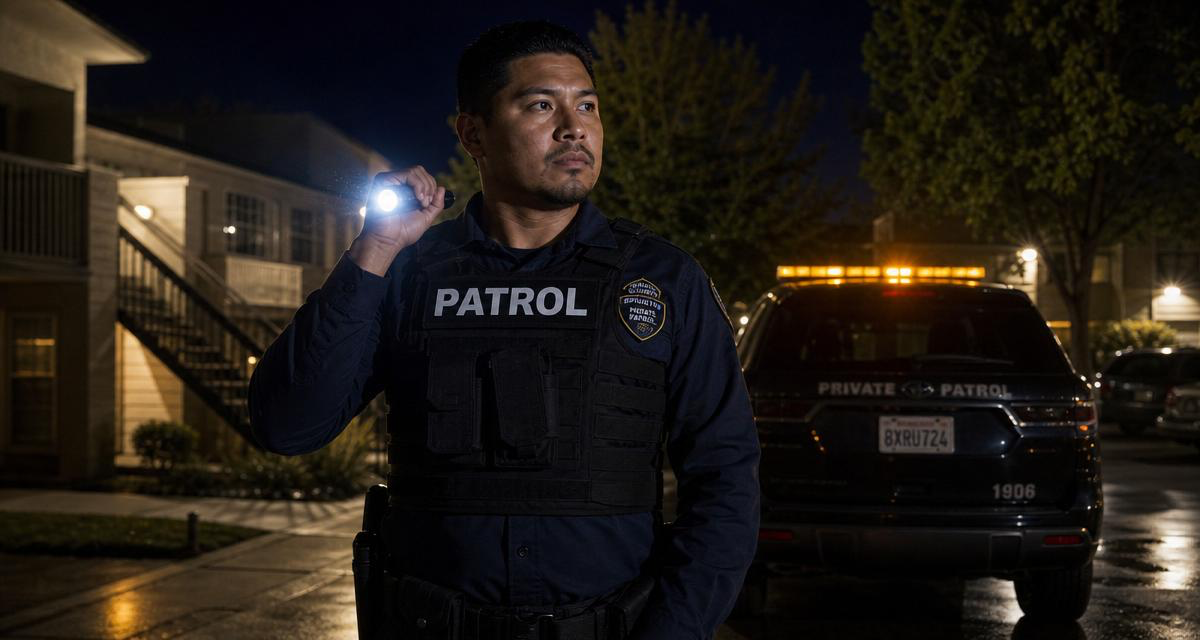
Mental fitness standards are less uniform. States set the floor, but employers fill the gap through post orders and hiring screens. Guards working BSIS-licensed patrols in California, including those deployed by Stormhammer Security (CA PPO #121830), operate under both state licensing standards and employer-defined conduct requirements.
How to Get Licensed as a Security Guard: Step-by-Step Process
Getting a security guard license follows five core steps: confirm eligibility, complete state-approved training, gather documents, complete fingerprinting, and submit your application.
The process is consistent across most states, though the specific portal and hour requirements vary. Here is how it works in practice.
- Confirm eligibility. Most states require applicants to be at least 18 years old, hold a high school diploma or GED, and have no disqualifying criminal convictions.
- Complete state-approved training. California requires 40 hours total for a Guard Card, 8 hours pre-assignment, then 32 hours on-the-job within 6 months. Florida's Class D license also requires 40 hours of training.
- Gather required documents. Prepare a government-issued ID, proof of completed training, and a passport-style photo. Some states also require proof of legal work authorization.
- Schedule electronic fingerprinting. Most states mandate Live Scan fingerprinting, which typically costs $50–$75 per session. This step triggers the background check that clears you to work.
- Submit your application via the state portal. California applicants use the BSIS portal; Florida uses MyFloridaLicense; Tennessee uses the TDCI CORE Portal [1]. Each portal tracks application status in real time.
Most states allow guards to begin unarmed work while the application is pending, provided they have completed the pre-assignment training hours. This means you can earn income before your card arrives.
According to the U.S. Bureau of Labor Statistics, employment of security guards is projected to grow steadily, making proper licensing a worthwhile investment in a stable career path.
What State-Approved Training Do You Need to Complete?
Security guard requirements for training differ by state, but the structure is similar: a mandatory pre-assignment course followed by additional on-the-job hours within a set window.
California's 8-hour pre-assignment course covers legal powers of arrest, public relations, emergency procedures, and report writing. The remaining 32 hours are completed on the job within 6 months of starting work. Florida's 40-hour Class D course must be finished before you can apply, no on-the-job split applies.
Joining an established, BSIS-licensed company like Stormhammer Security (CA PPO #121830) can speed up onboarding because post orders, compliance documentation, and training records are already structured. New guards spend less time on administrative setup and more time completing the hours that count toward licensure.
For a visual overview of what the licensing process looks like in practice, this security guard licensing walkthrough on YouTube provides a helpful step-by-step breakdown.
How to Become a Security Guard in Florida?
Florida requires a Class D Security Officer License, issued by the Florida Department of Agriculture and Consumer Services, before you can work as a guard in the state.
You must complete 40 hours of state-approved training from a licensed school, pass a background check, and submit your application through MyFloridaLicense. Electronic fingerprinting is mandatory and must be completed through an approved Live Scan provider at a cost of roughly $50–$75.
Florida does not offer a provisional work period while the application is pending, unlike California, so completing all 40 training hours before applying is the only path to legal employment as a guard in the state.
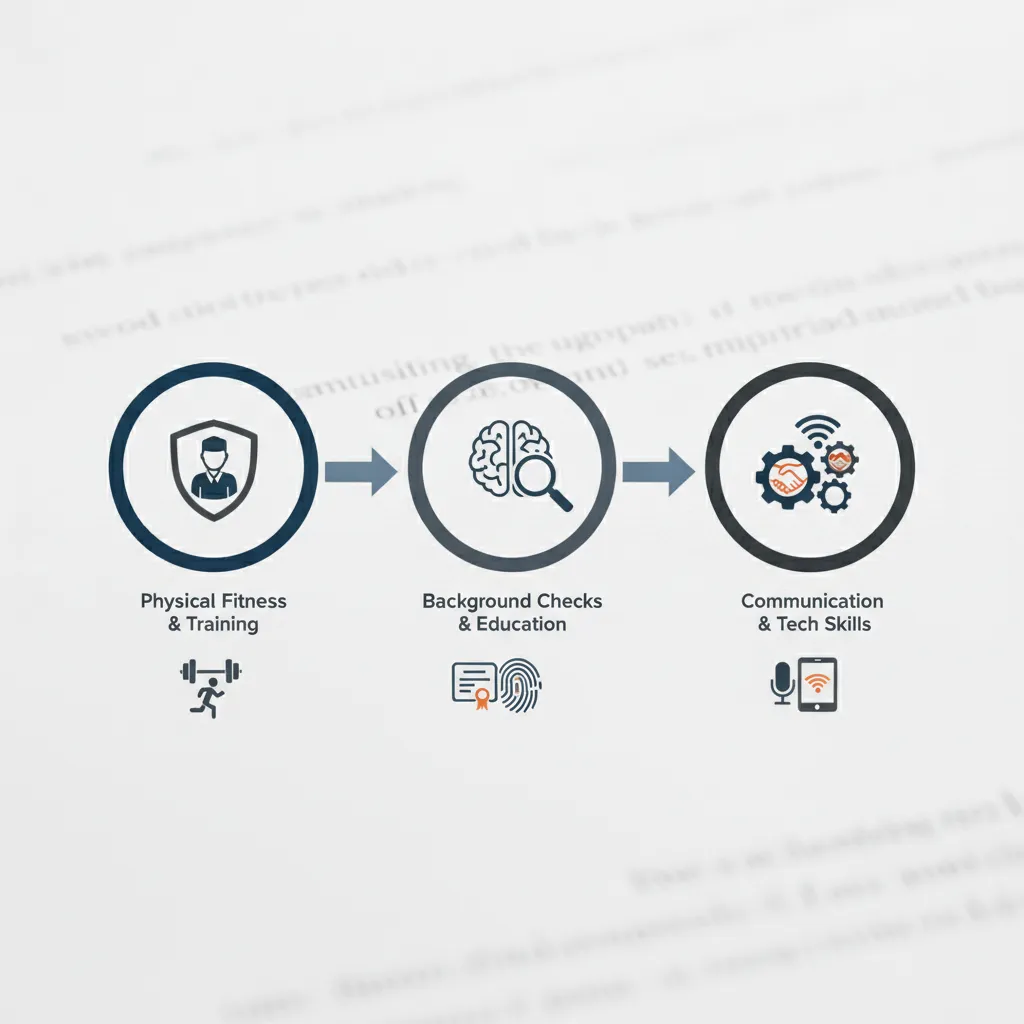
What Disqualifies You from Becoming a Security Guard?
Felony convictions, active warrants, domestic violence records, and dishonorable military discharge will disqualify most applicants from meeting security guard requirements.
How Do Criminal History and Background Checks Affect Security Guard Eligibility?
Every state licensing authority runs a criminal background check before issuing a guard license. The check typically covers federal and state criminal databases, sex offender registries, and military discharge records.
Lying on your application is itself an immediate disqualifier, and licensing boards flag discrepancies between self-reported history and fingerprint results. Honesty is the only viable approach.
Outstanding warrants and active probation or parole status will halt an application at the review stage in virtually every jurisdiction. You must resolve those legal matters before reapplying.
"Background screening for security personnel must go beyond a simple database check — it should include a thorough review of character, employment history, and any patterns of behavior that could pose a risk in a position of public trust." — Dr. Randy Borum, Professor of Criminology, University of South Florida
What Specific Offenses Prevent You from Getting a Security License?
Felony convictions of any kind are disqualifying across all states. Many states also bar applicants with misdemeanor convictions involving moral turpitude, theft, assault, or weapons offenses within the past 5–7 years.
Drug-related convictions, including distribution, trafficking, or recent possession, are disqualifying in most states. California's BSIS, which licenses guards like those Stormhammer Security deploys under CA PPO #121830, treats drug trafficking convictions as permanent bars.
Domestic violence convictions carry a federal layer of restriction. Under the Lautenberg Amendment, even a misdemeanor domestic violence conviction prohibits firearm possession, disqualifying applicants from any armed role. Many states extend that bar to unarmed positions as well.
A dishonorable military discharge is a universal disqualifier. An Other Than Honorable (OTH) discharge triggers case-by-case review, but approval is not guaranteed.
Armed vs. Unarmed Security Guard Requirements: Key Differences
Armed guards need a firearms permit on top of their base license, more training hours, a stricter background check, and must be at least 21 in most states.
The gap between armed and unarmed security guard requirements is wider than most applicants expect. Unarmed guards qualify with a standard license, California's Guard Card, Florida's Class D, while armed guards must earn a separate firearms authorization on top of that credential. In California, that means a BSIS Exposed Firearms Permit; in Florida, a Class G license.
What Additional Training and Licensing Is Required for Armed Security?
California mandates 14 additional hours of firearms training beyond the standard guard card curriculum. Florida's Class G license requires 28 hours of dedicated firearms instruction. Tennessee armed security candidates must pass a separate firearms qualification on top of standard licensing steps [1].
Age minimums are stricter for armed roles. Most states set the floor at 21, compared to 18 for unarmed positions, because armed guards carry legal authority to use lethal force.
Background checks are also more intensive. Armed applicants often face psychological evaluations and in-person interviews in addition to the standard criminal history review. Any domestic violence conviction is a hard federal disqualifier under the Lautenberg Amendment, with no exceptions.
The pay difference reflects the added responsibility. Armed guards earn a national median of roughly $18–$22 per hour versus $15–$17 per hour for unarmed roles. Higher-risk assignments, executive protection, bank security, construction site patrol with high-value equipment, typically require armed coverage by contract or insurer mandate.
How to Become Armed Security in Tennessee?
Tennessee armed security candidates must first obtain their unarmed license [1], then complete a state-approved firearms qualification course and submit a separate armed permit application through the Tennessee Department of Commerce and Insurance. Applicants must be 21 or older and clear the enhanced background review before carrying on duty.
For a detailed breakdown of the full Tennessee licensing process, the 2026 guide to getting a Tennessee security guard license covers every step from eligibility through application submission.
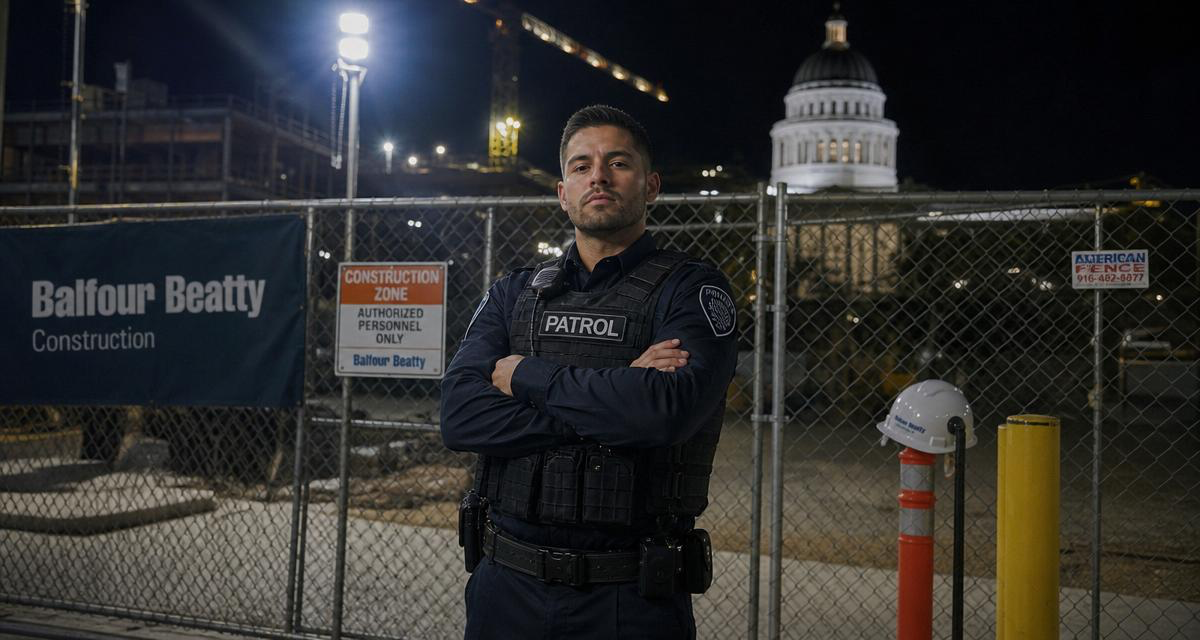
For property managers evaluating patrol vendors, armed capability matters most for sites with high theft risk or valuable inventory. Stormhammer Security's BSIS-licensed guards (CA PPO #121830) hold the credentials required for California patrol assignments, giving facility operators documented, verifiable coverage without sourcing armed personnel independently.
How Long Does It Take to Become a Security Guard and What Does It Cost?
Most applicants complete the full security guard licensing process in 2–8 weeks and spend between $175 and $425 in total out-of-pocket costs.
What Is the Timeline for Completing the Full Security Guard Licensing Process?
The timeline breaks into three stages. Training takes 1–5 days depending on your state's security guard requirements and whether you pursue armed or unarmed certification. Fingerprinting results return in 1–3 weeks, and state processing adds another 1–4 weeks on top of that.
Cost follows a predictable structure for an unarmed license:
- Training course: $75–$200
- Fingerprinting: $50–$75
- State application fee: $50–$150
- Total (unarmed): roughly $175–$425
Armed permits add $100–$300 more, covering firearms qualification courses and the additional state permit fee. Factor those costs in early if you plan to pursue armed work.
One way to reduce out-of-pocket expenses: many security companies cover or reimburse training costs for new hires. Owner-operated firms like Stormhammer Security, Inc., which staffs BSIS-licensed guards across Sacramento and Roseville, are worth asking directly about training reimbursement when you apply.
What Are the Renewal Requirements and Continuing Education Costs for Maintaining a License?
Most states require license renewal every two years. California mandates 8 hours of continuing education per renewal cycle, covering topics such as Powers to Arrest and Terrorism Awareness. Florida requires 8 hours of refresher training on a similar schedule.
According to ASIS International, the leading professional organization for security management, ongoing education and credentialing are among the most important factors in career advancement for security professionals.
Missing a renewal deadline causes an immediate license lapse, guards must stop working until the state reinstates them, a process that can take several weeks and may require repeating portions of the original training. Set a calendar reminder 90 days before your expiration date to avoid that gap.

Frequently Asked Questions
Can you become a security guard with a felony on your record?
A felony conviction does not automatically disqualify you from becoming a security guard, but it significantly limits your options. Most states conduct criminal background checks and deny licenses for convictions involving violence, weapons, or dishonesty. California's BSIS, for example, evaluates each application individually and considers the nature of the offense, how much time has passed, and evidence of rehabilitation. Some states impose permanent bars for specific felony categories. Check your state's licensing authority directly before investing time in training.
Do security guards need a license in every state?
Licensing requirements vary by state, most require guards to hold a state-issued license, but a handful have no statewide mandate. States like California, Texas, and Florida require formal licensing before a guard can legally work. A few states leave regulation to individual counties or municipalities. Because there is no federal reciprocity agreement, a license issued in one state does not transfer automatically to another. Always verify requirements with the licensing authority in the state where you plan to work.
What is the difference between a security guard license and a security officer certification?
A security guard license is a government-issued authorization required by state law to work legally as a guard; a certification is typically a voluntary credential issued by a private organization. Licenses are mandatory and enforced, working without one in a regulated state is illegal. Certifications from bodies like ASIS International (e.g., the Certified Protection Professional designation) demonstrate professional development but do not replace the state license. Many employers require both.
How much do security guards make after getting licensed?
Licensed security guards in the U.S. earn a median wage of around $17–$19 per hour, according to Bureau of Labor Statistics data. Entry-level unarmed guards typically start near the lower end of that range, while armed guards, those with specialized training, or those working in high-risk environments can earn $25 or more per hour. Geographic location matters significantly, guards in California and New York generally earn more than the national median due to higher cost of living and stronger licensing requirements.
Can security guard requirements differ between employers in the same state?
Yes. State licensing sets the legal minimum, but individual employers routinely impose additional security guard requirements on top of those standards. A company may require first aid or CPR certification, a clean driving record, physical fitness testing, or prior law enforcement experience. Firms operating under federal contracts often add citizenship requirements and more extensive background screening. Always review an employer's specific hiring criteria alongside your state's licensing rules before applying.
Conclusion
Security guard requirements exist on a state-by-state basis, which means the specific steps, age thresholds, training hours, background check standards, and licensing fees, depend entirely on where you operate or hire. Two takeaways matter most: first, confirm your state's licensing authority and its exact criteria before spending money on training; second, treat the license as a floor, not a ceiling, armed endorsements, first aid credentials, and specialized site training all increase both employability and earning potential.
If you're a property manager evaluating guard services rather than pursuing a license yourself, verify that any provider you hire holds current state licensing. Stormhammer Security's guards carry BSIS licensing (CA PPO #121830), request proof of that credential from any security vendor before signing a patrol agreement.
Sources & References
- How to Get a Security Guard License in Tennessee (2026 Guide)
- California Bureau of Security and Investigative Services (BSIS)
- U.S. Bureau of Labor Statistics: Security Guards and Gambling Surveillance Officers
- ASIS International: Security Management Professional Organization
Recommended Articles
Explore more from our content library: